How PSA Screening Can Help Detect Prostate Cancer Early
- posted: Jan. 27, 2025
Prostate cancer is one of the most common cancers among men, but early detection can significantly improve outcomes. Prostate-specific antigen (PSA) screening is a valuable tool for identifying prostate cancer in its early stages. If you’re in Wilmington, Leland, or Southport, NC, Urology Associates of Southeastern North Carolina offers expert guidance on PSA screening and prostate health.
What Is PSA Screening?
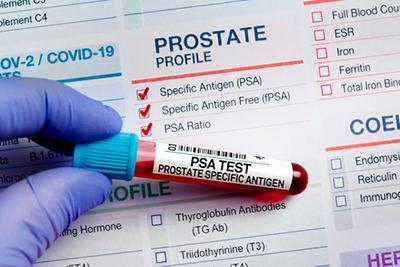
PSA screening measures the levels of prostate-specific antigen in your blood. PSA is a protein produced by the prostate gland, and elevated levels may indicate an issue, such as prostate cancer, benign prostatic hyperplasia (BPH), or inflammation of the prostate (prostatitis). While a high PSA level doesn’t necessarily mean you have cancer, it can serve as an early warning sign that further evaluation is needed.
Why Early Detection Matters
Prostate cancer will often develop without noticeable symptoms in the early stages. By the time symptoms appear, such as difficulty urinating, pelvic pain, or blood in the urine or semen, the cancer may have advanced. PSA screening enables doctors to identify potential concerns early, allowing for timely intervention and a wider range of treatment options.
Who Should Consider PSA Screening?
PSA screening is typically recommended for men aged 50 and older, though men with risk factors may need to start earlier. Risk factors include:
- Family History: Having a father or brother diagnosed with prostate cancer increases your risk.
- Age: The risk of prostate cancer rises as men age, particularly after 50.
- Race: African American men are at a higher risk of developing prostate cancer and may benefit from earlier screening.
Your healthcare provider can help determine the best screening schedule based on your individual risk factors.
What to Expect During a PSA Test
PSA testing is a simple blood test. Your doctor will draw a small sample of blood, which is sent to a lab for analysis. Results typically return within a few days, and your doctor will review them with you to determine if additional testing, such as a biopsy, is needed.
Comprehensive Prostate Care in Wilmington and Southport, NC
Urology Associates of Southeastern North Carolina is dedicated to providing expert prostate care, including PSA screenings and personalized treatment plans. Their experienced team uses advanced diagnostic tools to monitor prostate health and guide patients toward the best course of action.
Schedule Your PSA Screening Today
Don’t wait to take control of your prostate health. Contact Urology Associates of Southeastern North Carolina to schedule your PSA screening in Wilmington, Leland, or Southport, NC. Call (910) 763-6251 for Wilmington and Southport or (910) 741-4435 for our Leland location to book your appointment and take a proactive step toward early detection and better health.
- posted: Jan. 27, 2025
Prostate cancer is one of the most common cancers among men, but early detection can significantly improve outcomes. Prostate-specific antigen (PSA) screening is a valuable tool for identifying prostate cancer in its early stages. If you’re in Wilmington, Leland, or Southport, NC, Urology Associates of Southeastern North Carolina offers expert guidance on PSA screening and prostate health.
What Is PSA Screening?
PSA screening measures the levels of prostate-specific antigen in your blood. PSA is a protein produced by the prostate gland, and elevated levels may indicate an issue, such as prostate cancer, benign prostatic hyperplasia (BPH), or inflammation of the prostate (prostatitis). While a high PSA level doesn’t necessarily mean you have cancer, it can serve as an early warning sign that further evaluation is needed.
Why Early Detection Matters
Prostate cancer will often develop without noticeable symptoms in the early stages. By the time symptoms appear, such as difficulty urinating, pelvic pain, or blood in the urine or semen, the cancer may have advanced. PSA screening enables doctors to identify potential concerns early, allowing for timely intervention and a wider range of treatment options.
Who Should Consider PSA Screening?
PSA screening is typically recommended for men aged 50 and older, though men with risk factors may need to start earlier. Risk factors include:
- Family History: Having a father or brother diagnosed with prostate cancer increases your risk.
- Age: The risk of prostate cancer rises as men age, particularly after 50.
- Race: African American men are at a higher risk of developing prostate cancer and may benefit from earlier screening.
Your healthcare provider can help determine the best screening schedule based on your individual risk factors.
What to Expect During a PSA Test
PSA testing is a simple blood test. Your doctor will draw a small sample of blood, which is sent to a lab for analysis. Results typically return within a few days, and your doctor will review them with you to determine if additional testing, such as a biopsy, is needed.
Comprehensive Prostate Care in Wilmington and Southport, NC
Urology Associates of Southeastern North Carolina is dedicated to providing expert prostate care, including PSA screenings and personalized treatment plans. Their experienced team uses advanced diagnostic tools to monitor prostate health and guide patients toward the best course of action.
Schedule Your PSA Screening Today
Don’t wait to take control of your prostate health. Contact Urology Associates of Southeastern North Carolina to schedule your PSA screening in Wilmington, Leland, or Southport, NC. Call (910) 763-6251 for Wilmington and Southport or (910) 741-4435 for our Leland location to book your appointment and take a proactive step toward early detection and better health.
Wilmington Location
1905 Glen Meade Road,
Wilmington, NC 28403
IR Center Location
1176 East Cutlar Crossing, Suite C,
Leland, NC 28451
Southport Location
4222 Long Beach Rd SE Suite B,
Southport, NC 28461
Monday
8:00 am - 5:00 pm
Tuesday
8:00 am - 5:00 pm
Wednesday
8:00 am - 5:00 pm
Thursday
8:00 am - 5:00 pm
Friday
8:00 am - 5:00 pm
Saturday
Closed
Sunday
Closed